
Written by Olúwabùnmi Adéníji
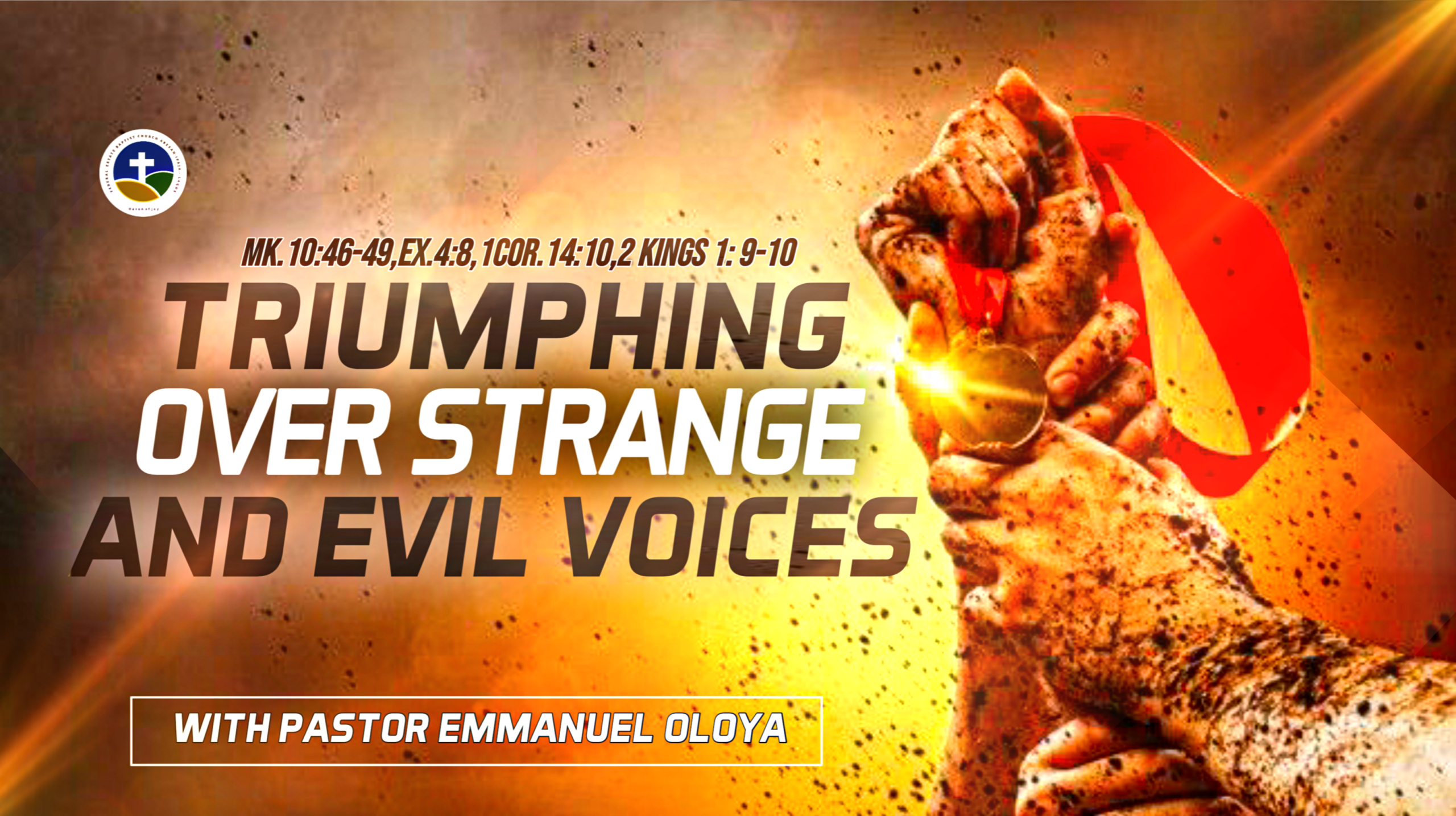
The word “triumphing” is telling. To triumph implies there was a battle, a resistance, something that had to be overcome. And that is precisely what this is about.
From the very beginning, voices have shaped the course of human history. In the garden, Adam and Eve walked with God and heard His voice. Then another voice came, subtle and persuasive, and they listened. What followed was the consequence of giving audience to the wrong voice. The story of man, in many ways, has been like this: the voice we choose to hear.
We were created to hear voices by design, as they give us direction. Some of these voices come from within, as quiet impressions in your mind. Others come from without, through people, through screens, through circumstances. The right one puts you on the right path, while the wrong one derails you from it. What we do with what we hear is what matters most.
Consider your parents. As young people, it can be tempting to feel you know better, but the years of experience your parents carry cannot be acquired in lecture halls. No parent speaks to destroy their child. Their voice, even when it is hard to hear, is bent toward your good. In the same way, the voice of your heavenly Father, coming to you is leading you in the right direction. You cannot love yourself more than God loves you.
The nature of God’s voice is to unveil Himself to you. It speaks calm, clarity, and peace. The devil’s voice, by contrast, trades in fear, lies and confusion, convincing you that what will harm you is what you need.
Samson was anointed for mighty works, as seen in Judges 14-16. He gave audience to Delilah’s incessant voice, and he eventually lost his vision, literally. That is the cost of heeding a stranger’s voice. Bartimaeus, on the other hand, heard one voice above the crowd and refused to be silenced until it reached him, and he received his sight. Where you are right now is a function of the voices you have been giving audience to. The voice you consistently hear will determine your destiny.
How then do we overcome strange and evil voices?
It begins with the life of Christ. If you have not received Him, that is your first step. Every other thing flows from that foundation.
From there, give yourself to consistent Bible study. Your natural habitat is the word of God. When Jesus faced the devil’s voice in Matthew 4, He did not argue or negotiate. He was so full of the word that every temptation was met with scripture. Fill yourself with the word and you will always have something to declare in response.
Engage in prophetic declarations and the covering of the blood of Jesus. Hebrews 12 reminds us that we have come to Jesus, the mediator of a new covenant, and that covering is not passive; it is something we walk in actively.
Seek spiritual counsel. In the multitude of counsellors there is safety (Proverbs 11:14). Do not make significant decisions in isolation. Surround yourself with voices you can trust to point you back to God.
And pay attention to your mental health. Some voices that torment people are rooted in psychological conditions that deserve proper medical attention. Caring for your mind is not a lack of faith; it is wisdom.
As you carry these thoughts with you, share them with someone who needs the reminder. And tell us below, which voice are you giving heed to this week?
The full sermon is available here; listen, you will be blessed.
Written by Olúwabùnmi Adéníji
Written by Kelani Omótóyòsí
Ọrọ yii “Isegun” n so. Láti ṣẹ́gun túmọ̀ sí pé ogun kan ti wà, ìdaniduro wà, ohun kan sì wà tí a gbọ́dọ̀ borí. Ìyẹn gan-an ni ohun tí èyí ń sọ nípa rẹ̀.
Látì ìbẹ̀rẹ̀ pátápátá, ohùn ni ó ti ń ṣe àkóso ìtàn ìgbésí ayé ènìyàn. Nínú ọgbà, Adamu àti Efa rìn pẹ̀lú Ọlọ́run, wọ́n sì gbọ́ ohùn rẹ̀. Lẹ́yìn náà, ohùn míì wá, ti ọ̀ ja geere, ohun ẹlẹ́tan, ti wọ́n sì tẹ́tí sí i. Ohun tí ó tẹ̀ lé ni abajade fífi àyè sí ohùn tí kò tọ́. Ìtàn ènìyàn, ní ọ̀pọ̀ ọ̀nà, dà bíi èyí: ohùn tí a yàn láti gbọ́.
A dá wa láti gbọ́ ohùn nípa ìdásílẹ̀, nítorí pé wọ́n ń fún wa ní ìtọná. Àwọn ohùn kan wá láti inú wa, gẹ́gẹ́ bí ìmọ̀lára pẹlẹbẹ nínú ọkàn wa. Àwọn míì sì wá láti òde láti ọ̀dọ̀ ènìyàn, láti orí ìbòjú, tàbí láti inú àwọn ìṣẹ̀lẹ̀ ayé. Ohùn tó tọ́ máa ń darí wa sí ọ̀nà tó tọ́, ṣùgbọ́n ohùn tí kò tọ́ lè mú wa yapa kúrò níbẹ̀. Ohun tí a ṣe pẹ̀lú ohun tí a gbọ́ ni ó ṣe pàtàkì jùlọ.
Ronú nípa àwọn òbí rẹ. Gẹ́gẹ́ bí ọdọ, ó lè dabi idanwo láti rò pé o mọ̀ dáadáa ju, ṣùgbọ́n awon ìrírí tí àwọn òbí rẹ ní kì í ṣe ohun tí a lè kọ́ ní gbọngàn ẹ̀kọ́. Kò sí òbí kankan tí ń sọ̀rọ̀ láti pa ọmọ rẹ run. Ohùn wọn, bó tilẹ̀ jẹ́ pé ó lè ṣòro láti gbọ́, ń tọ́ sí rere rẹ. Ní ona yi kan, ohùn Baba rẹ ọ̀run tí ń bá ọ sọ̀rọ̀ ń darí rẹ sí ọ̀nà tó tọ́. O kò lè nífẹ̀ẹ́ ara rẹ ju bí Ọlọ́run ṣe nífẹ̀ẹ́ rẹ lọ.
Ìṣe ohùn Ọlọ́run ni láti fi ara rẹ̀ hàn sí ọ. Ó máa ń sọ ìtùnú, ìmọ̀lára kedere, àti àlàáfíà. Ní ìdákẹ́jì, ohùn èṣù ń ṣiṣẹ́ pẹ̀lú ìbẹ̀rù, irọ́ àti ìdàrúdàpọ̀, ó sì máa ń jẹ́ kó dà bí ẹni pé ohun tí yóò ṣe ọ ní ipalara ni ohun tí o nílò.
Samsónì ni a yàn sí mímọ́ fún iṣẹ́ ńlá, gẹ́gẹ́ bí a ti rí nínú Iwe Onidajo: ori kerinla si ikerindinlogun. Ó gbọ́ sí ohùn Délílà tí kò dáwọ́ duro, níkẹyìn ó sì pàdánù oju iran rẹ̀ ní gangan. Ìyẹn ni gbigboran tí a ń san fún fífi etí sí ohùn àjèjì. Bartimeu, ní apá kejì, gbọ́ ohùn kan lókè gbogbo ariwo, kò sì jẹ́ kí wọ́n dá a lenu dúró títí ohùn náà fi dé bá a, a sì da oju ìran rẹ̀ pada. Ibi tí o wà báyìí jẹ́ ikojopo àwọn ohùn tí o ti ń fún ní àyè. Ohùn tí o bá ń gbọ́ lọ́pọ̀lọpọ̀ ni yóò pinnu ayanmọ
Báwo ni a ṣe lè ṣẹ́gun àwọn ohùn àjèjì àti búburú?
Ó bẹ̀rẹ̀ pẹ̀lú ìyè Jesu Kristi. Bí o kò bá tíì gbà á, ìyẹn ni ìgbésẹ̀ àkọ́kọ́ rẹ. Gbogbo ohun ń ṣàn láti inú ìpìlẹ̀ naa.
Lati ibẹ̀, fi ara rẹ sí ìkẹ́kọ̀ọ́ Bíbélì deede. Ilẹ̀ ìbílẹ̀ rẹ ni Ọ̀rọ̀ Ọlọ́run. Nígbà tí Jésù dojukọ ohùn èṣù nínú Matteu 4, kò jiyàn tàbí beeni ko si duna dura. Ó kún fún Ọ̀rọ̀ débi pé gbogbo ìdánwò ni a dáhùn pẹ̀lú Ìwé Mímọ́. Kún ara rẹ pẹ̀lú Ọ̀rọ̀ náà, ìwọ yóò sì máa ní ohun láti sọ ní ìdáhùn ní gbogbo ìgbà.
Kópa nínú àwọn ìkede àsọtẹ́lẹ̀, kí o sì wà lábẹ́ ìbòjú ẹ̀jẹ̀ Jesu. Hébérù orí kejìlá rán wa leti pé a ti wa si ọ̀dọ̀ Jesu, alárìnà adehun tuntun, àti pé aabo yìí kì í ṣe ohun tí a fi sílẹ̀ lọ́wọ́; ó jẹ́ ohun tí a n rìn nínú rẹ̀ lọ́nà tí ń ṣiṣẹ́.
Wa ìmọ̀ràn nipa tẹ̀mí. Nínú ọ̀pọ̀ àwọn olùdamoran ni ààbò wà (Iwe Òwe 11:14). Má ṣe ṣe àwọn ìpinnu pàtàkì nìkan ni ipinya. Yí ara rẹ ká pẹ̀lú àwọn ohùn tí o lè gbẹ́kẹ̀ lé tí yóò tọ́ ọ padà sí Ọlọ́run.
Ki o si fiyesi si ilera ọpọlọ rẹ. Diẹ ninu awọn ohùn ti n da eniyan láàmú jinlẹ wa lati inu awọn ipo ilera ọpọlọ ti o nilo itọju iṣoogun to peye. Títọ́jú okan rẹ kì í ṣe àìní igbagbọ; ó jẹ́ ọgbọ́n.
Bi o ṣe ń rìn pẹ̀lú àwọn ìrònú wọ̀nyí, pin wọn pẹ̀lú ẹnikan tó nílò ìrántí yìí. Ki o sì sọ fún wa ní ìsàlẹ̀, èwo ni ohùn tí o ń tẹ̀lé ní ọ̀sẹ̀ yìí?
Ìwàásù kíkún wà níbí; gbọ́ ọ, ìwọ yóò sì rí ìbùkún.
Written by Kelani Omótóyòsí