
Written by Tòmíwá Olúyínká
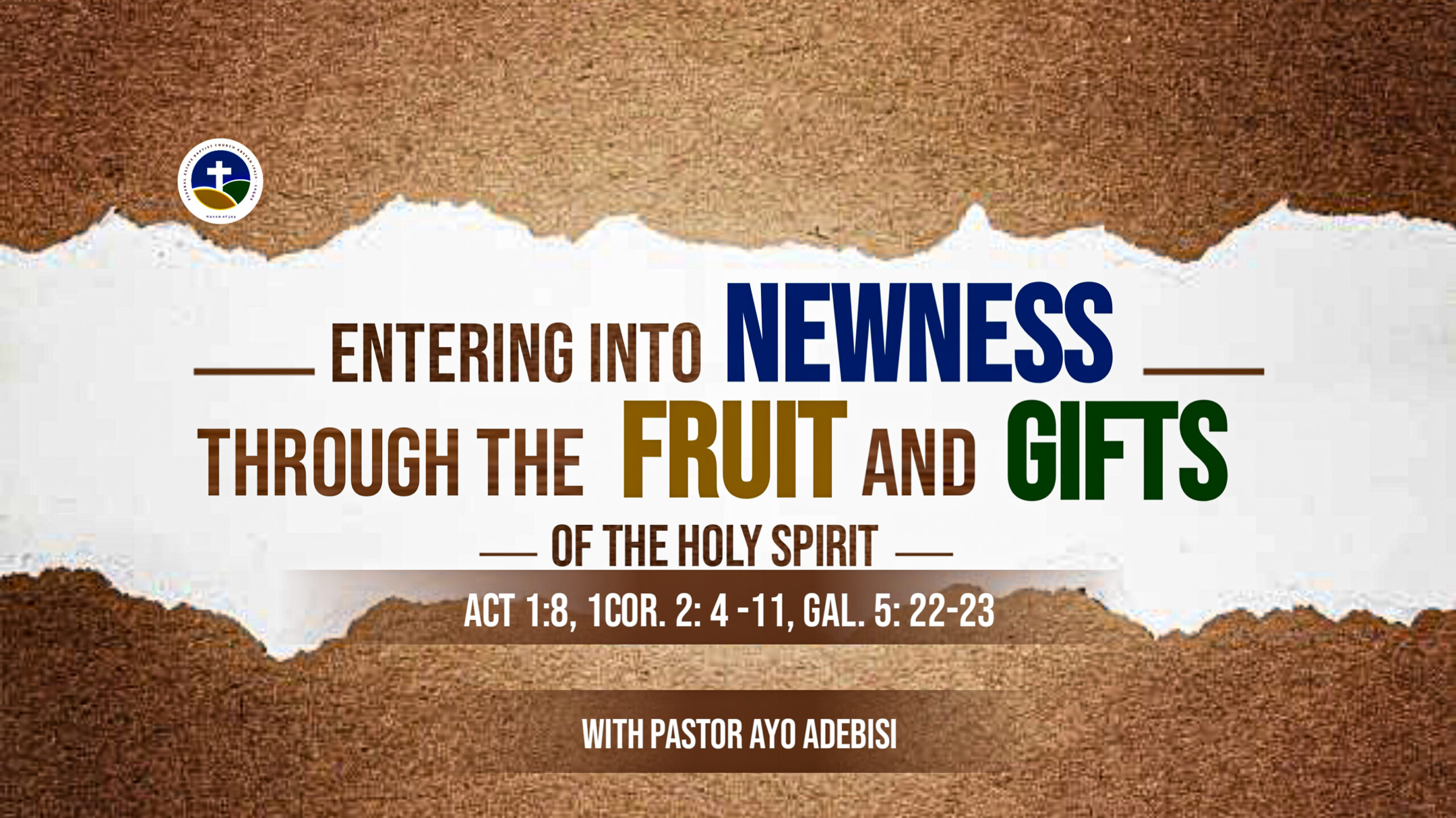
“The spirit of God cannot be in your life, and you are still failing. It cannot be in your life, and you remain useless. It cannot be in your life, and you stay the same person. It cannot be in your life, and you go astray.” Pastor Ayo Adebisi did not mince words when he preached about Entering into Newness through the Fruits and Gifts of the Holy Spirit in church on the 19th of April, 2026.
When the Holy Spirit comes upon you (Acts 1:8), three things are made evident: You become empowered; the gift of God helps you walk in divine power; and the fruit of the Spirit helps you exhibit the nature of Christ.
The version of you that the Holy Spirit wants reflects Christ. When Jesus died, and His Spirit came to dwell in you, He desired that you become dead to the wants of the flesh and alive by His Spirit. This means your daily life should ideally exhibit love, joy, peace, patience, kindness, gentleness, and self-control, without restrictions (Galatians 5:23). These characteristics are internal and transform your life through the help of God.
The gifts of the Spirit — performing miracles, speaking in tongues, preaching the gospel, among others — are external and receive more cheering than the fruit. Indeed, it is easier to live in the gifts than to walk in the fruit. This is because you can see a man preaching the Word and alongside exhibiting hatred toward his brother. But the fruit is the by-product of Christ in you, and requires that you’re dead to the spirit of flesh.
When your flesh wants anger and pettiness, the Spirit wants kindness. When your flesh wants to engage in every social trend, the Spirit wants self-control. When your flesh wants depression, the Spirit wants joy.
Unlike the gifts, the fruit of the Spirit requires that you be full of each one equally. Think of it like an onion- no matter how small it is, it has layers, and every layer comes together to form a bulb. Nevertheless, it is possessing the fruit of the Spirit internally that helps you deliver the gifts genuinely, externally.
Hence, as one who has entered into the newness of Christ, you must allow God to change you internally and externally, such that you may reflect Christ and be useful in God’s presence.
What spiritual fruit are you struggling to bear?
Written by Tòmíwá Olúyínká
Written by Kelani Omótóyòsí
“Ẹ̀mí Ọlọ́run kò lè wà nínú ìgbésí ayé rẹ, kí o sì tún máa kuna. Kò lè wà nínú ìgbésí ayé rẹ, kí o sì jẹ́ eniyan lasan. Kò lè wà nínú ìgbésí ayé rẹ, kí o sì dúró gẹ́gẹ́ bí o se wa. Kò lè wà nínú ìgbésí ayé rẹ, kí o sì ṣì máa ṣìnà.” Alufa Ayo Adebisi ò pé ọ̀rọ̀ sọ̀rọ̀ nígbà tó ń wàásù nípa Ìwọlé sínú Ohun otun nípasẹ̀ Èso àti Ẹ̀bùn Ẹ̀mí Mímọ́ ní ile ijosin lọ́jọ́ kokandinlogun oṣù Kẹrin, ọdún 2026.
Nígbà tí Ẹ̀mí Mímọ́ bá bale sórí rẹ (Ìṣe awon Aposteli ori kini, ese kejo), ohun mẹ́ta ni yóò hàn gbangba: a fún ọ ní agbára; ẹ̀bùn Ọlọ́run yóò ràn ọ́ lọ́wọ́ láti rìn nínú agbára at’ọ̀run wa; àti eso Ẹ̀mí yóò jẹ́ kó hàn pé o ń fi ìwà Kristi hàn.
Ẹ̀dà rẹ tí Ẹ̀mí Mímọ́ fẹ́ kí o jẹ́ ni ẹni tí ń fi Kristi hàn. Nígbà tí Jesu kú, tí Ẹ̀mí Rẹ sì wá gbé inú rẹ, Ó fẹ́ kí o kú sí ìfẹ́kúfẹ̀ẹ́ ara, kí o sì yè nípasẹ̀ Ẹ̀mí Rẹ. Èyí túmọ̀ sí pé, ìgbé ayé rẹ lojoojúmọ́ gbọ́dọ̀ fi ìfẹ́, ayọ̀, àlàáfíà, sùúrù, inú rere, ìtẹ́lẹ̀, àti ìṣàkóso ara hàn láìsí ìdènà kankan (Galátíà ori karun, ese ketalelogun 5:23). Àwọn àfihàn wọ̀nyí wà ni inú, wọ́n sì ń yí ìgbé ayé rẹ padà pẹ̀lú ìrànlọ́wọ́ Ọlọ́run.
Àwọn ẹ̀bùn Ẹ̀mí — bíi ṣíṣe iṣẹ́ ìyanu, sísọro ní ahọ́n, ìwàásù ìhìnrere, àti bẹ́ẹ̀ bẹ́ẹ̀ lọ — jẹ́ ohun tí a lè rí lójú, tí wọ́n sì máa ń gba ìyìn ju èso lọ. Ní tòótọ́, ó rọrùn láti gbé nínú ẹ̀bùn ju láti rìn nínú èso lọ. Ìdí ni pé o lè rí omo ènìyàn kan tí ń wàásù Ọ̀rọ̀ Ọlọ́run, tí ó sì tún ń fi ìkórìíra hàn sí elomiran. Ṣùgbọ́n èso jẹ́ abajade Kristi nínú rẹ, ó sì nílò pé kí o kú sí ẹ̀mí ti ara.
Nígbà tí ara rẹ bá ń fẹ́ ìbínú àti kékeré ọkàn, Ẹ̀mí ń fẹ́ inú rere. Nígbà tí ara rẹ bá ń fẹ́ kópa nínú gbogbo ohun ti àwùjọ, Ẹ̀mí ń fẹ́ ìṣàkóso ara ẹni. Nígbà tí ara rẹ bá ń fẹ́ ìbànújẹ, Ẹ̀mí ń fẹ́ ayọ̀.
Kò dá bíi àwọn ẹ̀bùn, eso Ẹ̀mí ń béèrè pé kí o kún fún ọkọọkan wọn ní idọ́gba. Ro bíi àlùbọ́sà—bí ó tilẹ̀ jẹ́ pé ó kéré, ó ní àwọn ipele fẹ́lẹfẹ́lẹ̀, gbogbo ipele náà sì darapọ̀ láti dá àlùbọ́sà kan sílẹ̀. Síbẹ̀síbẹ̀, níní eso Ẹ̀mí nínú rẹ ló ń ràn ọ́ lọ́wọ́ láti fi àwọn ẹ̀bùn hàn ní tòótọ́ níta.
Ní iwonyi, gẹ́gẹ́ bí ẹni tí ó ti wọ inú oun otun nínú Kristi, ó yẹ kí o jẹ́ kí Ọlọ́run yí ọ padà lára àti ní inú, kí o lè fi Kristi hàn, kí o sì jẹ́ ẹni tí ó wúlò níwájú Ọlọ́run.
Èso ẹ̀mí wo ni o ń ṣòro fun o lati ni?
Written by Kelani Omótóyòsí