
Written by Olúwabùnmi Adéníji
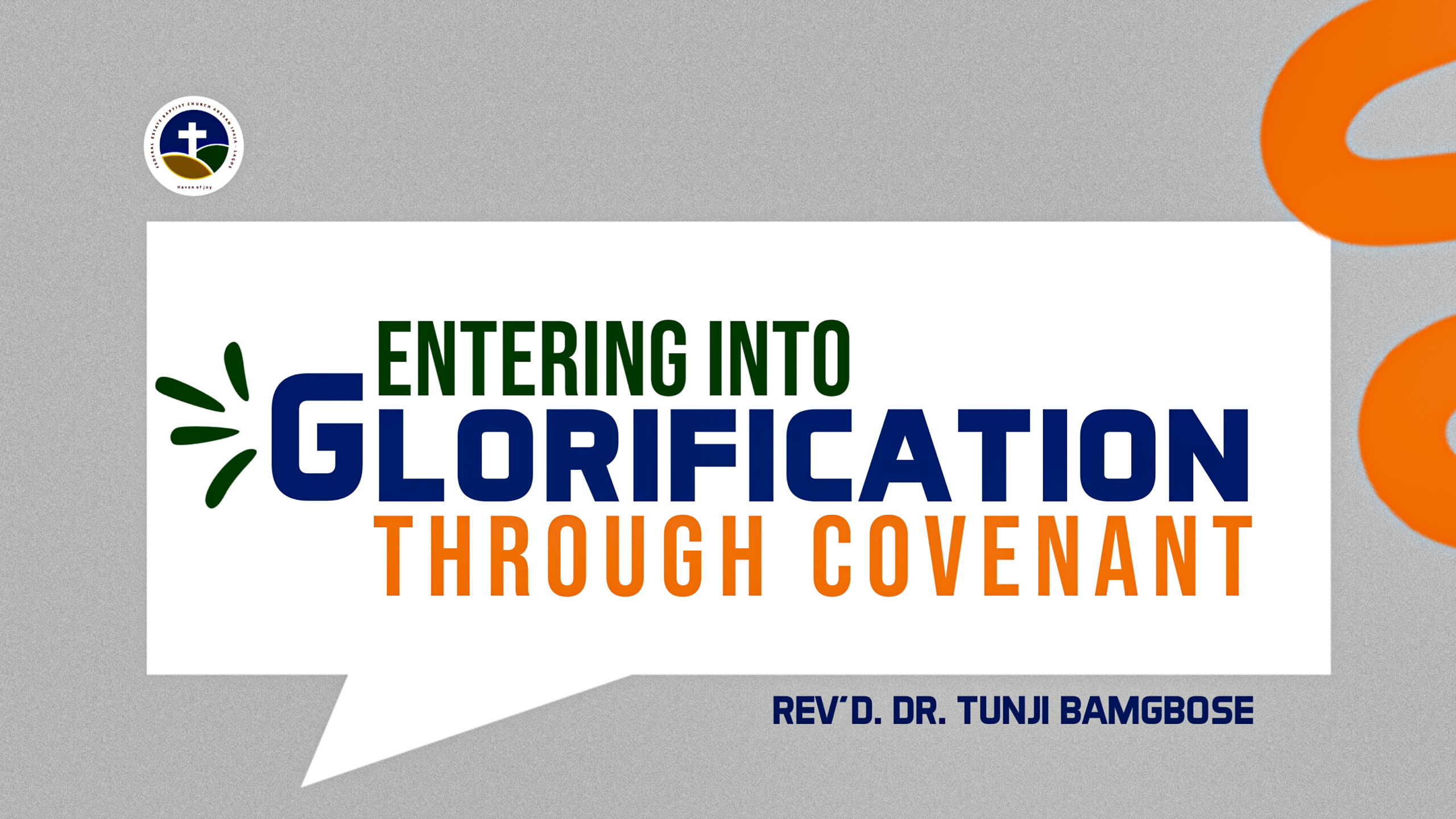
In today’s sermon, Reverend Bamgbose extended our knowledge of God and covenant. Our God is a God of covenant; the covenant of old and that of the new. The Christian faith is built upon covenants from both the Old and the New Testaments. He made us understand that you must only read scriptures from God’s point of view, to accurately decipher it. He also mentioned that we must read scriptures meditatively, otherwise we fall to distraction.
The relationship between a child of God and God is a covenant. Just like Jesus fulfilled every agreement in his covenant with the Father, there was an appointed time for glorification. John 17:5 “And now, Father, glorify me in your presence with the glory I had with you before the world began.” NIV.
God also had a covenant with Abraham in a form of instruction. He instructed Abraham on how to serve him. Genesis 17:1-2 “When Abram was ninety-nine years old, the Lord appeared to him and said, “I am God Almighty; walk before me faithfully and be blameless. Then I will make my covenant between me and you and will greatly increase your numbers.” NIV. Abraham obeyed God and it was counted unto him as righteousness. Romans 4:3
Covenants are very important in the faith of a believer. When you walk with God through the covenant, glory is born. Just like Jesus and Abraham were glorified through covenants, we became beneficiaries of God’s covenant with them. We must also walk in covenant with God for us and the incoming generations to benefit the glory.
We as Christians need to know how important covenants are to God, and must be willing to partake in God’s covenant. This world is full of vices that are bent on swaying us away from fulfilling our mandate. In Pastor’s words, “anybody who will be in a covenant relationship with God, must be ready to give all his life. Total giving; your time, your energy, your tithe, your voice.”
Walking in submission to God is a covenant that every believer should adhere to. This new week, walk in God’s covenant and you shall be glorified.
Experience the full sermon here.
Written by Olúwabùnmi Adéníji
Written by Kelani Omótóyòsí
Nínú ìwàásù òní, Alufa Bamgbose túbọ̀ fi ìmọ̀ wa kún nípa Ọlọ́run àti májẹ̀mú. Ọlọ́run wa jẹ́ Ọlọ́run májẹ̀mú; májẹ̀mú ìgbà àtijọ́ àti ti ìgbà tuntun. Ìgbàgbọ́ Kristẹni ni a kọ sórí àwọn májẹ̀mú tí ó wà nínú Májẹ̀mú Lái lái àti Májẹ̀mú Tuntun. Ó jẹ́ kí a lóye pé a gbọ́dọ̀ ka iwé mímọ́ láti ojú ìwòye Ọlọ́run nìkan, kí a lè túmọ̀ rẹ̀ dáadáa. Ó tún sọ pé a gbọ́dọ̀ ka iwé mímọ́ pẹ̀lú ìṣàrò jinlẹ̀; bí kò ṣe bẹ́ẹ̀, a lè ṣubú sínú idamu
Ìbáṣepọ̀ to wa láàárín ọmọ Ọlọ́run àti Ọlọ́run ni májẹ̀mú. Gẹ́gẹ́ bí Jésù ṣe mú gbogbo ìlérí inú májẹ̀mú rẹ̀ pẹ̀lú Baba, àkókò tí a yàn wà fún igbelogo. Jòhánù ori ketadinlogun, ese kaarun, “Nísinsin yìí, Baba, yin mi l’ọ́dọ̀ rẹ pẹ̀lú ògo tí mo ní l’ọ́dọ̀ rẹ kí ayé tó wá.”
Ọlọ́run tún ní májẹ̀mú pẹ̀lú Ábrámù ní irú ìtọ́́nisọ́nà kan. Ó kọ́ Ábrámù bí ó ṣe yẹ kí ó máa sìin. Jẹ́nẹ́sísì ori ketadinlogun, ese kini de ikeji: “Nígbà tí Ábrámù pé ọdún mọ́kàndínlọ́gọ́rùn-ún, Olúwa farahàn sí i, ó sì wí fún un pé, ‘Èmi ni Ọlọ́run Olódùmarè; máa rìn níwájú mi ní òtítọ́, kí o sì jẹ́ aláìlebi. Nígbà náà ni emi yóò fi májẹ̀mú mi ṣe láàárín emi àti ìwọ, èmi yóò sì mú ọ pọ̀ sí i gidigidi.” Ábrámù gbọ́ran si Ọlọ́run, a sì ka a sí i ní òdodo fún un. Róòmù ori kerin ese keta.
Májẹ̀mú ṣe pàtàkì gan nínú ìgbàgbọ́ onígbàgbọ́. Nígbà tí o bá ń rìn pẹ̀lú Ọlọ́run nípasẹ̀ májẹ̀mú, a bí ògo. Gẹ́gẹ́ bí Jésù àti Ábrámù ṣe di ẹni tí a yin lógo nípasẹ̀ májẹ̀mú, àwa náà je aláǹfààní májẹ̀mú Ọlọ́run pẹ̀lú wọn. A gbọ́dọ̀ tún rìn nínú májẹ̀mú pẹ̀lú Ọlọ́run kí àwa àti àwọn ìran tí ń bọ̀ lè jèrè nínú ògo náà.
Àwa gẹ́gẹ́ bí Kristẹni gbọ́dọ̀ mọ bí májẹ̀mú ṣe ṣe pàtàkì sí Ọlọ́run, a sì gbọ́dọ̀ sẹ́ tán láti kópa nínú májẹ̀mú Ọlọ́run. Ayé yìí kún fún ìwà búburú tí ń gbìmọ̀ láti yí wa kúrò ní mímú ìpinnu wa ṣẹ. Gẹ́gẹ́ bí Olùṣọ́ aguntan ṣe sọ, “enikẹ́ni tí yóò wà nínú ìbáṣepọ̀ májẹ̀mú pẹ̀lú Ọlọ́run gbọ́dọ̀ ṣètán láti fi gbogbo ìgbésí ayé rẹ̀ rúbọ. Fífún ní pátápátá; àkókò rẹ, agbára rẹ, ìdámẹ́wàá rẹ, ohùn rẹ.”
Rírin nínu ìtẹríba sí Ọlọ́run jẹ́ májẹ̀mú tí gbogbo onígbàgbọ́ gbọ́dọ̀ tẹ̀lé. Ní ọ̀sẹ̀ tuntun yìí, rìn nínú májẹ̀mú Ọlọ́run, ìwọ yóò sì di ẹni tí a ó fi ọlá fún.
E wo iwasu lekun rere nibi.
Written by Kelani Omótóyòsí