Written by Tòmíwá Olúyínká
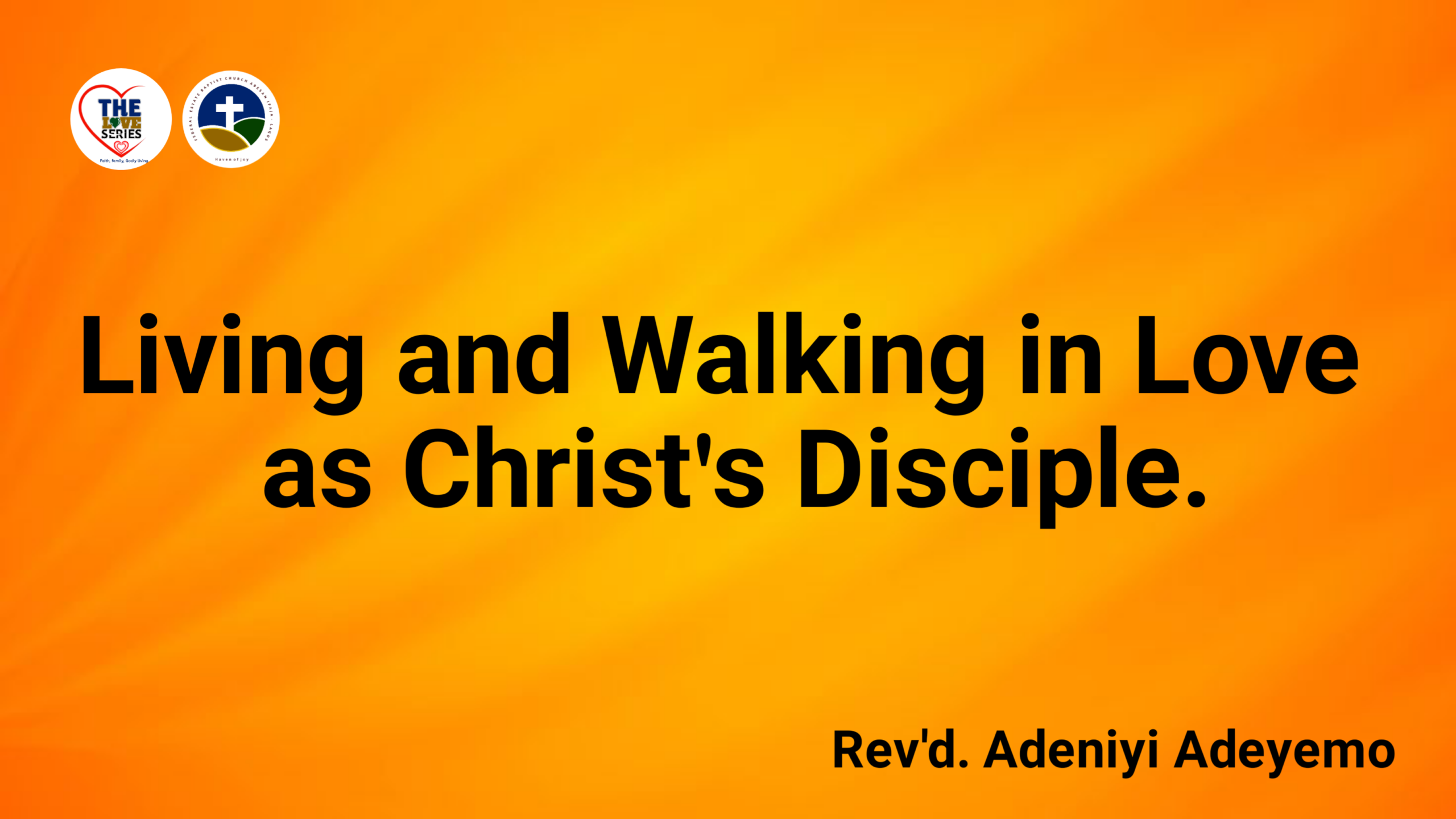
Continuing the series on the love of God, Rev’d Adeyemo expanded on the subject through his teaching on how we fellowship with other believers . He titled the sermon ‘Walking and Living in love as Christ’s Disciples, in House Fellowships’, referencing Ephesians 5:1-2; 1John 4:7; Mark 12: 28-31; Luke 10: 25-37; and Mark 12; 14, to explain how we can live like Christ lived on earth and be qualified as disciples of Christ.
How can we then walk and live as Christ?
-
- Through our daily lifestyle: Being a christian is not just about the title. It is about how much of our life reflects the way Christ lived on earth. Through our speaking, dressing, and most importantly how we show love to other people. If all of these reflect a Christ-like way, then we are fit to be called disciples of Christ.
- Through Giving: The greatest way God portrayed his love to us was by giving. Giving his only Son to the world in order for us to live eternally. Therefore, it is our duty as christians to also embody that character of giving, which could also involve sacrificing our own pleasure for someone else’s wellbeing. Christ did the same by sacrificing his life for us. Although there is no greater love than this, we should still strive to love others through giving.
- Through Forgiveness: Just like Christ forgave all our sins and tresspasses, as christians, we should make it a habit to forgive others who also offend us. We should not hold hate or malice in our hearts, but rid ourselves of such things by forgiving offences and ill acts committed against us.
- Building and Nurturing Relationships: ‘Love is not by mouth. Love is by action.’ When we act on the love we claim to have towards others, we are nurturing relationships because we show it. Whether through giving, helping, being a source of hope and comfort, or through speaking positively to cheer people up, every act done out of love travels a long way. So as believers and Christ-like people, we should make it our duty to say and show that we love our neighbours.
By human reasoning, it is hard to forgive, to sacrifice something we hold dearly for others. It is even harder to love people the way they are, or give when we do not have enough. But God, through the Holy Spirit that lives within us has made it easier. How? When we obey the first commandment- to love the Lord with all your heart, soul, and strength.
When we love God, and walk in the Spirit, the second greatest commandment – love your neighbour as yourself – would not be a chore. Rev’d Adeyemo admonished the church that God is calling us as believers to have His own kind of love. ‘When we do this, we’ll see ourselves as one in Christ; not closing our eyes to the needs of our fellow brethren, praying for one another, and letting brotherly love built on the template of Christ continue.’
Experience the full sermon here.
Written by Tòmíwá Olúyínká
Written by Kelani Omótóyòsí
Ni itẹ̀síwájú nínú àkójọpọ̀ ẹ̀kọ́ lórí ìfẹ́ Ọlọ́run, Alufa Adeyemo túbọ̀ ṣàlàyé kókó-ọrọ̀ náà nípasẹ̀ ẹ̀kọ́ rẹ̀ lórí bí a ṣe ń bá àwọn onígbàgbọ́ mìíràn ṣọ̀kan. Ó pè ìwàásù náà ní “Rírìn àti Ìgbé Ayé nínú Ìfẹ́ gẹ́gẹ́ bí Àwọn Ọmọ-ẹ̀yìn Kristi nínú Ìpàdé Ilé”, tí ó sì tọ́ka sí Efesu ori kaarun, ese kini de ikeji; Johanu kini ori kerin; ese keje; Máàkù ori kejila, ese kejidinlogbon de okanlelogbon; Lúùkù ori kewa, ese karundilogbon de ketadinlogoji; àti Máàkù ori kejila, ese kerinla, láti ṣàlàyé bí a ṣe lè gbé ayé wa bí Kristi ṣe gbé ayé rẹ̀ lori ile ayé, kí a sì lè jẹ́ ẹni tí ó yẹ láti jẹ́ ọmọ-ẹ̀yìn Kristi.
Báwo ni a ṣe lè rìn àti gbé ayé wa gẹ́gẹ́ bí Kristi?
- Nípa ọ̀nà ìgbésí ayé wa ojoojúmọ́: Jíjẹ́ Kristẹni kì í ṣe nípa orúkọ lásán. Ó jẹ́ nípa bí ìgbésí ayé wa ṣe fi ara han bi Kristi se gbé ní ayé yọ tó. Nípa ọ̀rọ̀ ẹnu wa, ìmúra wa, àti èyí tó ṣe pàtàkì jù lọ, bí a ṣe ń fi ìfẹ́ hàn sí àwọn ẹlòmíràn. Bí gbogbo nǹkan wọ̀nyí bá ń fi àpẹẹrẹ Kristi hàn, nígbà náà ni a ye láti jẹ́ ẹni tí a ń pè ní ọmọ lẹyìn Kristi
- Nípa Fífúnni: Ọ̀nà ti o ga jùlọ tí Ọlọ́run gbà fi ìfẹ́ rẹ̀ hàn sí wa ni nípa fífúnni. Ó fi Ọmọ rẹ̀ kan ṣoṣo fún aráyé kí a báa lè ní ìyè àìnípẹ̀kun. Nítorí náà, ó jẹ́ ojúṣe wa gẹ́gẹ́ bí Kristẹni láti ní ìwà fífúnni yìí, èyí tí ó lè kan yíyááfì ìgbádùn ara wa fún rere ẹlòmíràn. Kristi ṣe bẹ́ẹ̀ gẹ́lẹ́ nípa fífi ẹ̀mí rẹ̀ lélẹ̀ fún wa. Bí ó tilẹ̀ jẹ́ pé kò sí ìfẹ́ tí ó tó èyí, síbẹ̀ o, a gbọ́dọ̀ sapá láti nífẹ̀ẹ́ àwọn ẹlòmíràn nípa fífúnni.
- Nípa Ìdáríjì: Gẹ́gẹ́ bí Kristi ṣe dárí gbogbo ẹ̀ṣẹ̀ àti àìkùnà wa jì wá, gẹ́gẹ́ bí Kristẹni, ó yẹ kí ó jẹ́ ise wa láti máa dárí jì àwọn ẹlòmíràn tí wọ́n bá ṣẹ̀ wá. Kò yẹ kí a gbé ìkórìíra tàbí yiyan odi ninu okan wa, ṣùgbọ́n ká mú irú àwọn nǹkan bẹ́ẹ̀ kúrò nípa dídárí àwọn àṣìṣe àti ìwà ibi tí wọ́n hù sí wa jìn.
- Kíkọ́ àti títọ́jú ìbáṣepọ̀: ‘Ìfẹ́ kì í ṣe nípa ẹnu lásán. Ìfẹ́ jẹ́ nípa ìṣe.’ Nígbà tí a ba sise lori ìfẹ́ tí a sọ pé a ní sí àwọn ẹlòmíràn, a ń tọ́jú ìbáṣepọ̀ wa pẹ̀lú wọn nítorí pé a ń fi hàn gbangba. Yálà nípa fífúnni, ríranlọ́wọ́, jíjẹ́ orísun ìrètí àti ìtùnú, tàbí nípa sísọ̀rọ̀ rere láti mu awon eniyan ni idunu, gbogbo igbeṣẹ́ tí a se nitori ìfẹ́ lo ni ona pipe. Gẹ́gẹ́ bí onígbàgbọ́ àti àwọn tí ń tẹ̀lé àpẹẹrẹ Kristi, ó yẹ kí a sọ ọ́ di iṣẹ́ wa láti máa sọ kí a sì máa fi hàn pé a fẹ́ràn ọmọnìkejì wa.
Nípa èrò ènìyàn, ó ṣòro láti dáríjì, tàbí láti yááfì nǹkan tí ó jẹ́ wa lọ́kàn fún àwọn ẹlòmíràn. Ó tilẹ̀ tún ṣòro jù bẹ́ẹ̀ lọ láti nífẹ̀ẹ́ àwọn ènìyàn bí wọ́n ṣe rí, tàbí láti fúnni nígbà tí a kò bá ní tìwa tó. Sùgbọ́n Ọlọ́run, nípa Ẹ̀mí Mímọ́ tí ń gbé inú wa, ti mú kí ó rọrùn. Báwo ni? Nígbà tí a bá tẹ̀lé òfin àkọ́kọ́; láti nífẹ̀ẹ́ Olúwa pẹ̀lú gbogbo ọkàn rẹ, ẹ̀mí rẹ, àti agbára rẹ.
Nígbà tí a bá nífẹ̀ẹ́ Ọlọ́run, tí a sì ń rìn nínú Ẹ̀mí, òfin kejì tó tóbi jù lọ – nífẹ̀ẹ́ ọmọnìkejì rẹ gẹ́gẹ́ bí ara rẹ – kì yóò jẹ́ iṣẹ́ mọ́. Alufa Adeyemo gba ìjọ nímọ̀ràn pé Ọlọ́run ń pè wá gẹ́gẹ́ bí onígbàgbọ́ láti ní irúfẹ́ ìfẹ́ tirẹ̀. ‘Nígbà tí a bá ṣe èyí, a ó rí ara wa gẹ́gẹ́ bí ọ̀kan nínú Kristi; a kò ní fojú fo àìní àwọn ará wa dá, a ó máa gbàdúrà fún ara wa, a ó sì jẹ́ kí ìfẹ́ ará tí a gbé ka àpẹẹrẹ Kristi máa bá a lọ.’
E wo iwasu lekun rere nibi.
Written by Kelani Omótóyòsí