
Written by Tòmíwá Olúyínká
The Women Missionary Union (WMU) prettied up the church in their royal purple and white attire and anchored the church around the theme, “Entering into Newness through the fruits and gifts of the spirit.” One of the women representatives, Mrs. Akinboye, gave a short exhortation on the importance of the fruit of the Spirit being the very content of our lives, shaping who we are from within.
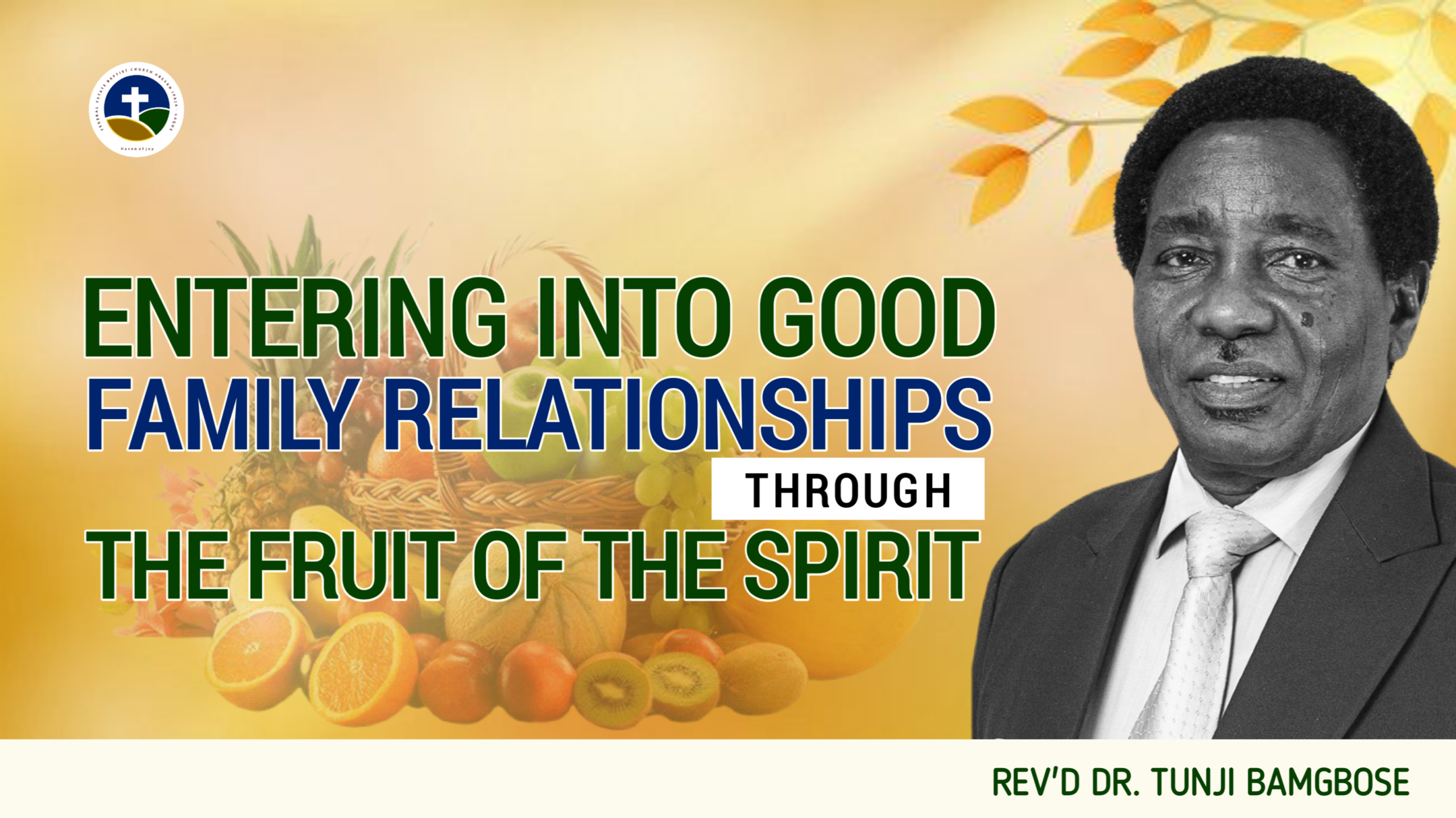
Reverend Dr. Tunji Bamgbose led us back home by situating the theme into building good family relations. He told the church that “our relationship in the family must be Christlike“, only then can we carry that Christlike character into other relationships outside the home.
He encouraged the church to seek the help of the Holy Spirit to truly enter into the newness of Christ in our relationships. He also encouraged intergenerational relationships – the old relating warmly with the youths, and vise versa – beginning with the simple act of greeting, which he described as “ the beginning of every good relationship”
He further explained that although our individual gifts would find us out, bring us money, position and power, the fruit of the Spirit, which is written in Galatians 5:22-23, is what shapes our character and gives us a good life, a good home, and good relationships. The Reverend reinforced this truth with the example of Samson, the strongest man in the Bible, whose strength did not ultimately preserve his character.
In closing, Rev’d Bamgbose charged the church to love with joy, and cautioned against “building a home with power without wisdom, or beauty without character.”
Experience the full sermon here.
Written by Tòmíwá Olúyínká
Written by Kelani Omótóyòsí
Ẹgbẹ́ Obinrin rere (WMU) mu ijo rewa pelu aso won ti o ni aawo elése aluko ati fun fun, wọ́n sì darí ìpàdé ilé-ìjọsìn náà lórí àkòrí pé, “Wíwọ inú tuntun nípasẹ̀ Èso àti Ẹ̀bùn Ẹ̀mí Mímọ́.” Ọ̀kan lára àwọn aṣojú àwọn obìnrin, Arabinrin Akínbọ́yẹ̀, ṣe ìkìlọ̀-ọrọ̀ kúkúrú lórí pàtàkì èso Ẹ̀mí Mímọ́ gẹ́gẹ́ bí ohun tí ó yẹ kó jẹ́ àkópọ̀ ayè wa, tí ó sì ń ṣàkóso ẹni tí a jẹ́ láti inú wa.
Alufa Omowe Tunji Bamgbósé darí wa padà sí ilé nípa fífi kókó ẹ̀kọ́ náà sí orí ìkọ́lé ìbáṣepọ̀ ẹbí tó dára. Ó sọ fún ìjọ pé, “Ìbáṣepọ̀ wa nínú ẹbí gbọ́dọ̀ jẹ́ ti Kristi,” nítorí nígbà yẹn nìkan ni a lè gbé ìwà Kristi yẹn lọ sí àwọn ìbáṣepọ̀ míì tó wà níta ilé.
Ó rọ ìjọ pé kí wọ́n máa wá ìrànlọ́wọ́ emí mímọ́ kí wọ́n lè wọ inú tuntun Kristi gidi nínú gbogbo ìbáṣepọ̀ wọn. Ó tún gba ìbáṣepọ̀ láàárín ìran kálẹ̀ – àwọn àgbàlagbà kí wọ́n máa bá àwọn ọdọ́ lọ̀rọ̀ pẹ̀lú ìfẹ́ àti ìtẹ́lọ́rùn, bẹ́ẹ̀ náà ni àwọn ọdọ́ pẹ̀lú àwọn àgbàlagbà – ti o bẹ̀rẹ̀ pẹ̀lú kikíni ni irọrùn, èyí tí ó pè ní “ìbẹ̀rẹ̀ gbogbo ìbáṣepọ̀ rere.”
Ó tún ṣàlàyé sí i pé, bó tilẹ̀ jẹ́ pé ẹ̀bùn ẹni kọọkan wa lè mú wa hàn, mú owó wá, fún wa ní ipò àti agbára, ṣùgbọ́n èso emí, gẹ́gẹ́ bí a ti kọ ọ́ sínú Gálátíà ori karun, ese kejilelogun si iketilelogun, ni ó ń dá ìwà ẹni mọ́, tí ó sì ń fún wa ní ìgbésí-ayé rere, ilé rere, àti ìbáṣepọ̀ rere. Alùfáà náà tún fi òtítọ́ yìí múlẹ̀ pẹ̀lú àpẹẹrẹ Samsónì, ọkùnrin alágbára jùlọ nínú Bíbélì, ẹni tí agbára rẹ̀ kò parí sí ìtọ́jú ìwà rẹ̀.
Ní ìparí, Alufa Bamgbósé rọ́ ìjọ láti fẹ́ràn pẹ̀lú ayọ̀, ó sì kilọ̀ lòdì sí “kíkó ilé pẹ̀lú agbára láìsí ọgbọ́n, tàbí ẹ̀wà láìsí ìwà rere.”
E wo iwasu lekun rere nibi.
Written by Kelani Omótóyòsí